
When you’re on the hunt for the best serger machine for beginners, you'll quickly notice that the best ones make things simple without skimping on quality. Think features like easy-peasy threading systems. For most people just starting out, a solid machine that can do a reliable 4-thread overlock and has an intuitive differential feed is the perfect place to begin.
Unlocking Professional Finishes with Your First Serger
Ever looked inside a t-shirt you bought at the store and wondered how they get those seams so neat and tidy? That’s a serger at work. A serger, which you might also hear called an overlocker, is a special kind of sewing machine that does three things at once: it trims the raw edge of your fabric, sews a seam, and wraps the edge in thread to stop it from fraying. All in one quick pass.
This little powerhouse is what gives garments that durable, stretchy, and clean finish, and it's an absolute game-changer for sewing with knit fabrics.
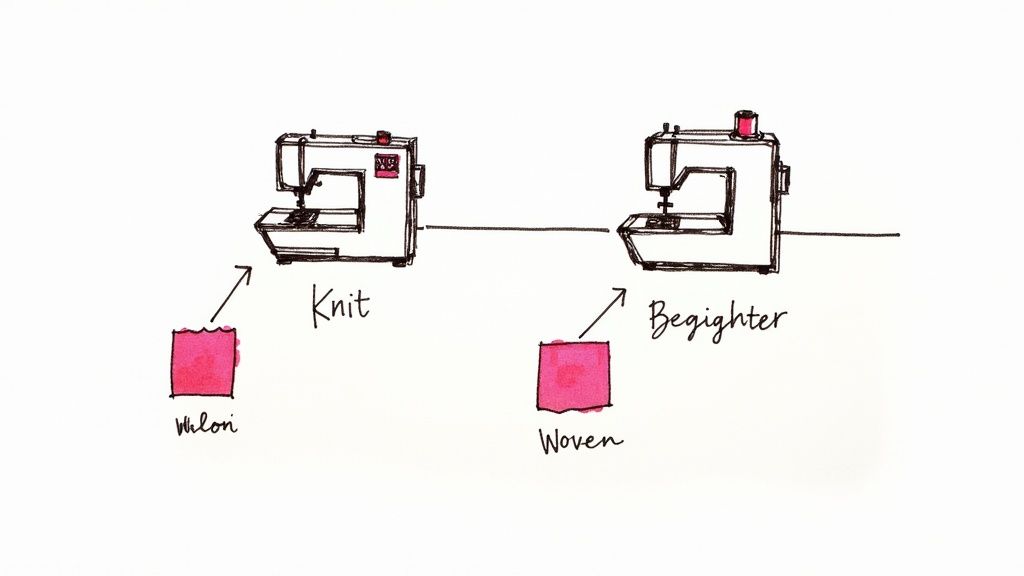
While your regular sewing machine is your go-to for things like zippers, topstitching, and buttonholes, a serger is its perfect sidekick. It takes the headache out of the tasks that often trip up new sewists, like keeping stretchy fabrics from getting all wavy or stopping lightweight silks from puckering. It’s no wonder the global serger market hit USD 1.53 billion in 2024; home sewists everywhere want that professional touch! And modern features are making it easier than ever—for instance, air-threading systems can slash your setup time by as much as 70% compared to old-school manual threading. You can learn more about recent serger market findings to see how popular they've become.
Here at bsewinn.com, we are committed to empowering crafters. We believe that the right machine, combined with tangible examples and support, can make all the difference. That's why we focus on custom sewing machine designs and back them up with extensive resources, including online classes and training, to help you replicate professional results from your very first project.
Key Features for a Beginner Serger
Getting to know a few of the core features will make picking out your first serger so much easier. These are the things that really flatten the learning curve and get you sewing beautiful seams right out of the box.
We've put together a quick guide to the non-negotiables for a beginner-friendly machine. Think of this as your cheat sheet for serger shopping.
Essential Features for a Beginner-Friendly Serger
| Feature | Why It Matters for Beginners | What to Look For |
|---|---|---|
| Simplified Threading | Let's be honest: threading can be the biggest headache for new serger owners. An easy system builds confidence and gets you sewing, not struggling. | Color-coded guides are a must. Also, look for lay-in tension discs or, for the ultimate ease, an air-threading system. |
| Differential Feed | This is the magic wand that stops knits from stretching and wovens from puckering. It gives you perfectly flat, professional seams every time. | A dial or lever that's easy to see and adjust. You'll be using this a lot! |
| 2/3/4 Thread Capability | This is all about versatility. A machine that can do it all lets you tackle everything from strong seams on leggings to delicate rolled hems on scarves. | Models that can switch between 4-thread, 3-thread, and 2-thread stitches without a major hassle. |
Choosing your first serger is a huge step, and it’s exciting! By focusing on these key features, you’re not just buying a machine for today—you’re investing in one that will grow with you. And with the community and classes here at bsewinn.com, you'll have all the support you need to make the most of it.
Getting to Grips with Core Serger Features
To pick the best serger for you, it really helps to understand the tech that makes those professional, store-bought seams possible. Once you get what these core features do, you'll feel way more confident choosing a machine that fits what you're doing now and can keep up as your skills grow. Let's break down the parts that will make the biggest difference in your sewing.
The absolute number-one feature for any new serger owner is the differential feed. This is the magic that truly sets a serger apart from your regular sewing machine, especially when you start tackling tricky fabrics.
Differential feed is pretty clever—it uses two sets of feed dogs (those little metal teeth under the needle that move your fabric) that can be set to run at different speeds. This one adjustment gives you an incredible amount of control over how your fabric behaves while you stitch.
Tame Stretchy and Slippery Fabrics with Differential Feed
Have you ever tried to sew a knit t-shirt on a sewing machine, only to end up with a wavy, stretched-out hem? It's a super common headache that differential feed completely eliminates. By setting the front feed dogs to move just a little faster than the back ones, the serger eases the fabric in as it sews, stopping it from stretching out of shape.
On the flip side, if you're working with something light and slippery like silk or chiffon that loves to pucker, you can slow down the front feed dogs. This smooths the fabric right out, giving you a perfectly flat, beautiful seam. For a deeper look at how these machines work, check out our guide on what is a serger machine.
Honestly, mastering the differential feed is the key to skipping the two biggest sewing frustrations right from the start: stretched-out knits and puckered wovens. It's the one feature most responsible for getting that professional finish from day one.
This feature is a huge reason why sergers are so popular. A 2024 Sewing Industry Association report pointed out a 35% increase in serger purchases among beginners, with much of that driven by the desire to successfully sew popular jersey knits for projects like custom t-shirts and activewear.
Threading Systems That Don't Scare You Off
Right after differential feed, how easy the machine is to thread is the next dealbreaker. Sergers used to have a reputation for being a nightmare to thread, and honestly, it scared a lot of people away. Thank goodness modern machines have made this part of the process practically foolproof.
Today's beginner-friendly models have come a long way from the tangled messes of the past. Keep an eye out for these game-changing systems:
- Color-Coded Threading: This is pretty much the standard now, and for good reason. The machine has brightly colored lines and diagrams printed right on it, creating a simple roadmap that shows you exactly where each thread goes.
- Lay-In Threading: This is a personal favorite. Instead of trying to poke thread through a series of tiny, hard-to-see holes, this system uses open channels. You just lay the thread into the color-coded guides. It’s faster and way less frustrating, letting you focus on your design.
These little innovations have completely changed the user experience, letting you spend your time actually sewing instead of fighting with your machine. Here at bsewinn.com, we make a point to carry machines with these intuitive features because your creative time is valuable.
The Power of 2/3/4 Thread Capability
Finally, understanding what "thread capability" means will open your eyes to all the cool things a serger can do. The number of threads you use determines the type of stitch and how strong it is. A machine with 2/3/4 thread capability gives you the most bang for your buck.
Here’s a quick rundown of what each setup is for, with tangible examples you can replicate:
- 4-Thread Overlock: This is your go-to, everyday construction stitch. It creates a strong, durable seam while finishing the edge all in one pass. It's perfect for putting together garments from knits, like leggings or sweatshirts.
- 3-Thread Overlock: This one is great for just finishing the edges of woven fabrics to stop them from fraying. It's also the stitch you'll use for beautiful decorative rolled hems on things like scarves, cloth napkins, and fancy formalwear.
- 2-Thread Overlock: When you're working with super lightweight fabrics, a 3-thread stitch can sometimes be too bulky. The 2-thread stitch gives a delicate, clean finish on silks and voiles without weighing them down.
Having all these options means your serger is ready for anything, from tough activewear to elegant dresses. This versatility ensures your investment will pay off for years to come, and with the expert training and online classes offered at bsewinn.com, you'll have all the support you need to master every technique.
Comparing the Top Serger Models for New Sewers
Alright, let’s talk about how all those features actually play out when you sit down to sew. Instead of just throwing a list of specs at you, it’s way more helpful to think about what you want to make. Your creative vision should be the driving force behind your choice, not the other way around.
Choosing the right machine often boils down to one simple question: what kind of fabric will you be using most of the time? Answering that can instantly clear up which features you really need to care about.
This little flowchart breaks it down nicely. It’s a great visual for seeing how your fabric choice points you toward the serger features that will make your life easier.
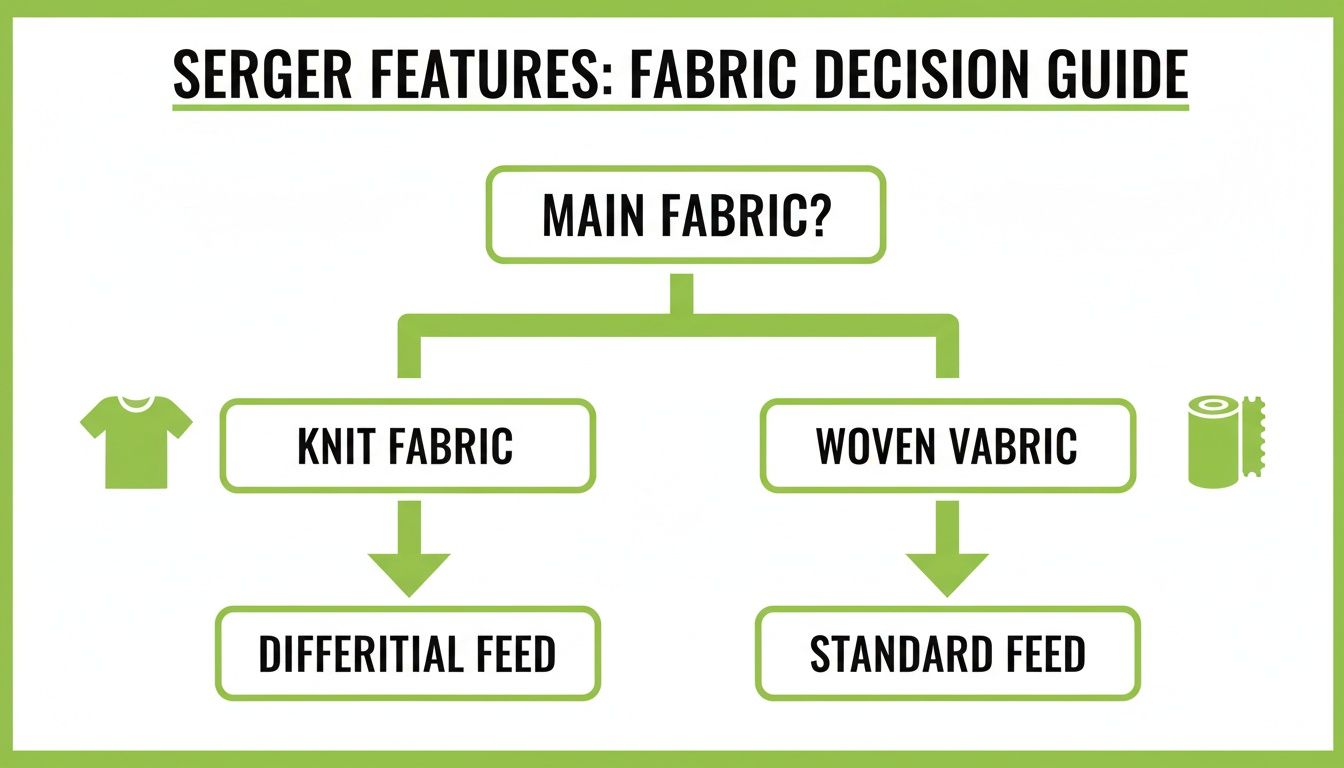
As you can see, if you’re diving into the world of stretchy knits, a solid differential feed is a must. But if you're sticking with stable woven fabrics, you can focus your budget on other bells and whistles.
For the Aspiring T-Shirt and Leggings Maker
Is your sewing room already overflowing with dreams of custom t-shirts, comfy leggings, and cozy sweatshirts? If so, you need a serger that is an absolute master at handling knit fabrics. That means a top-notch, easy-to-adjust differential feed is completely non-negotiable. It's the secret weapon against those dreaded wavy, stretched-out seams that can ruin a project.
You'll also want a machine that’s known for a reliable 4-thread overlock stitch. This is the stitch that gives activewear and everyday knit garments their professional strength and stretch. Since you'll likely be hopping between different knits—from thin jersey to thick fleece—a machine that’s simple to operate will save you a world of frustration.
For anyone serious about sewing with knits, the conversation really begins and ends with stitch quality. A serger that lays down a perfectly balanced, flexible seam without skipping stitches on tricky fabrics is worth its weight in gold.
You'll notice certain brands really shine here. With the boom in DIY apparel, it’s no surprise that 70% of sergers sold in North America now come with beginner-friendly perks like bright LED lighting to make sewing easier on the eyes.
For the Home Decor and Quilting Enthusiast
Maybe your passion is more about creating custom pillows, curtains, or quilted bags. When you're working with home decor projects, your focus shifts from managing stretch to wrangling bulk and heavier fabrics. Your best friend here will be a serger with a robust motor and a higher presser foot lift. This combo lets you easily slide multiple layers of decorator fabric or quilt sandwiches under the needle without a fight.
While differential feed is still a nice-to-have, you’ll want to prioritize a machine with a solid metal frame for stability, especially when you’re serging at top speed. Another feature to look for is the ability to easily disengage the upper knife. This is fantastic for finishing quilt edges or creating unique decorative seams on pillows with specialty threads without accidentally trimming your beautiful fabric.
Feature Comparison of Top Beginner Serger Machines
A detailed breakdown of leading beginner-friendly serger models, comparing their core functionalities to help you find the perfect match for your sewing projects.
To help you see how these differences shake out in the real world, let's compare how some of the leading beginner models stack up for these different sewing styles. Remember, this isn't about which machine is "best"—it's about which one is best for you.
| Model | Threading System | Stitches Per Minute (SPM) | Thread Capability | Ideal for (Use Case) |
|---|---|---|---|---|
| Budget-Friendly Workhorse | Color-Coded Manual | Up to 1,300 | 3/4 Thread | The crafter who wants a reliable machine for both knits and wovens without a huge initial investment. |
| Knit Fabric Specialist | Lay-In System | Up to 1,500 | 2/3/4 Thread | The aspiring t-shirt maker who needs flawless seams on stretchy fabrics and values frustration-free threading. |
| Heavy-Duty Decorator | Color-Coded Manual | Up to 1,300 | 3/4 Thread | The home decor enthusiast who needs a powerful motor to handle upholstery fabrics, denim, and multiple layers. |
| The Ultimate Upgrade | Air-Threading | 1,500+ | 2/3/4 Thread | The sewist who prioritizes ease and speed above all and wants to eliminate threading challenges for good. |
Here at bsewinn.com, we know that picking a serger is a big step in your sewing journey. That's why we make sure to have machines that fit every type of sewist. For those who are ready for a truly effortless experience, the Baby Lock Acclaim with its RevolutionAir™ Threading system is the absolute peak of user-friendly design.
Our support doesn't stop once you've bought the machine, either. We offer online classes and training to help you get comfortable and confident with whichever model you choose, so you can start bringing your incredible ideas to life.
Getting to Know Your First Serger: Setup and Care
That moment you unbox a new serger is pure excitement. You can already picture all the amazing projects you're about to create! But let's be honest, it can also feel a little intimidating. My goal here is to help you go from that in-the-box feeling to sewing your first perfect seam with confidence. We’ll cover the first steps and the simple maintenance that will keep your machine happy for years to come.
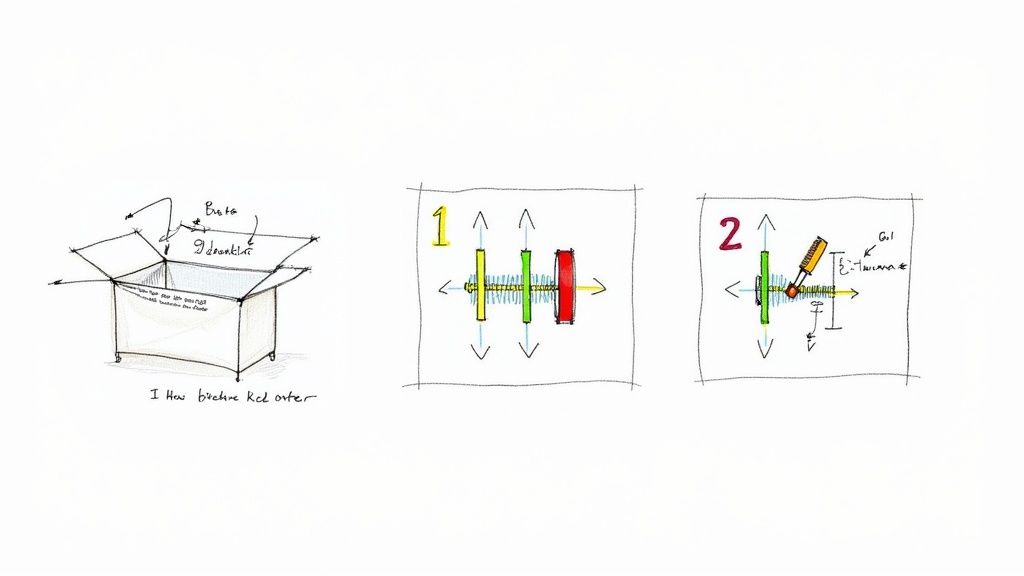
The first hurdle for most new serger owners? Threading. It looks like a tangled mess, but modern beginner sergers are actually designed to make it as painless as possible. Most machines have super clear, color-coded diagrams printed right on the body to show you exactly where each thread goes.
Tackling Threading for the First Time
Before you even touch a thread, make sure your presser foot is up and the needles are in their highest position. This little step is crucial—it opens up the tension discs so the thread can settle in properly. From there, it's really like following a map. Just match your thread to the colored path and trace it from the spool all the way to the needle or looper.
Here's a pro tip that will save you so much frustration when you want to change thread colors: Don't rethread the whole thing! Just snip the old thread at the spool, tie on the new color with a good knot, and gently pull it all the way through the machine until the new color pops out at the end.
This trick is a lifesaver for the loopers. You'll still have to thread the needles by hand, since the knot is too big to fit through the eye, but it cuts the time down dramatically. For a really deep dive, check out our guide on how to thread a serger. It’s perfect if you're a visual learner.
First Steps and Key Adjustments
Once you're threaded up, there are just a few more things to get familiar with before you hit the gas. Getting these settings right from the start will head off most of the common frustrations people have when they're new to serging.
- Changing Needles: Just like with your regular sewing machine, you'll want to swap out your serger needles after about 8-10 hours of sewing time. Make sure you're using the right kind of needle for your machine and fabric, and always double-check that the flat side is facing the back.
- Engaging the Knife: That little blade is what gives you a beautifully clean edge by trimming the fabric right before it's stitched. You'll almost always want it engaged. But for certain decorative stitches or times you don’t want to trim, you can pop it down and out of the way.
- Initial Tension Settings: Don't guess! Start with the tension settings your manual recommends for a standard 4-thread overlock. Sew a test scrap from your actual project fabric, then tweak the dials one by one until the stitch looks nice and balanced.
Keeping Your Serger in Tip-Top Shape
A little bit of maintenance goes a long way. These machines work at incredible speeds, and all that fabric and thread creates a lot of lint. If you let it build up, it can start causing problems.
A quick clean-up after every few projects is all it takes to keep things running smoothly.
- Safety First - Unplug It: Always, always disconnect the power before you start poking around.
- Get a Better View: Take off the needles and the presser foot. This opens up the whole area so you can really see what you're doing.
- De-Fuzz Everything: Use the small brush that came with your machine to gently sweep out all the lint and dust from around the loopers, feed dogs, and knife. A can of compressed air works too, just be careful not to blow the fuzz deeper inside.
- Oil It Up: Check your manual to see where and how often to oil. Just a single drop of high-quality sewing machine oil on the right spots will keep all the moving parts happy.
At bsewinn.com, we know that nothing beats learning from a real person. That's why our online classes and training sessions cover these exact topics, with experts ready to guide you live. We want to empower you not just to make beautiful things, but to feel completely confident with the tools that bring your ideas to life.
How to Choose the Right Serger for Your Crafting Goals
When it comes down to it, picking your first serger is a simple balance between your creative dreams and your budget. It’s a real investment in your craft, and the last thing you want is a machine that holds you back. The goal is to find one that will grow with you.
Let's walk through how to match a machine to what you actually want to make.
Your sewing ambitions are the best guide you have. Are you dreaming of whipping up adorable tiny clothes for your kids or grandkids? If so, you absolutely want to prioritize a machine with a free arm. Trust me, this feature makes serging small, circular things like sleeve cuffs and baby pants a breeze instead of a wrestling match.
But maybe your passion is quilting or creating durable home decor. Your needs are totally different. In that case, a model with a high-speed motor and a solid internal frame will be your new best friend. It’ll let you power through multiple layers of fabric and batting without a fuss, ensuring your machine stays stable and gives you those beautiful, consistent stitches every time.
Matching Your Serger to Your Projects
Taking a moment to think about your future projects is the best way to separate the must-have features from the nice-to-haves. It ensures you're putting your money toward capabilities you’ll actually use.
- For the Garment Sewist: If you’re planning to build your own wardrobe—especially with knits—a top-notch differential feed is non-negotiable. The ability to create a professional rolled hem for finishing scarves or formalwear will also be a game-changer.
- For the Small Business Owner: When you're crafting items to sell, efficiency and durability are everything. A machine with a high stitches-per-minute (SPM) rate and a reputation for being a workhorse can handle production volumes without skipping a beat.
- For the All-Around Crafter: If you love dabbling in a bit of everything, from bags to apparel, look for a versatile 2/3/4 thread machine that makes it simple to switch between different stitch types.
The best purchase is always the one where the machine feels like a natural extension of your hands. When you align a serger’s strengths with your main crafting goals, you’re setting yourself up for years of happy sewing.
Understanding Serger Budget Tiers
Sergers come at a few different price points, and it’s helpful to know what you’re getting as you move up the ladder. An entry-level machine is a fantastic place to start. It will expertly handle all the basics, like 4-thread construction and 3-thread finishing. These models are the workhorses that help so many beginners fall in love with serging.
Stepping up to a mid-range model is where you start seeing some major quality-of-life upgrades. This is where you’ll find easier threading systems—like lay-in tension or even air-threading for the loopers—which can slash your setup frustration. These machines often have more stitch options and finer control over adjustments, giving you more creative freedom.
Investing more in a top-tier machine unlocks premium features built for pure convenience and precision. Think fully automatic tension, where the machine figures out the perfect stitch for you, or advanced air-threading systems that thread both the loopers and the needles. It’s a bigger investment, but these features can make your sewing time so much more productive and fun, and that’s a value that's hard to put a price on.
Here at bsewinn.com, we want you to feel confident in your choice—one that honors both your budget and your creative spirit. Our team and our huge library of online resources are here to help you find the best serger machine for beginners that just feels right. To take your skills even further, you might want to look into the many online courses for hobbyists available. Our goal is to make sure your new serger becomes a beloved partner on your creative journey.
Empowering Your Craft with Ongoing Support
Choosing the best serger machine for beginners is a huge first step, but the real magic happens when you actually feel confident using it. I’ve seen it time and again: buying the machine is just the start. The ongoing support is what turns a good purchase into a great creative partnership.
It's the difference between a serger that gathers dust in a corner and one that becomes your go-to for beautiful, professional-looking projects for years to come. This is where your relationship with a dedicated retailer like us really changes the game. When you buy from us, you’re not just getting a box shipped to your door. You’re joining a community that’s genuinely invested in helping you succeed.
From Unboxing to Advanced Techniques
We want to empower you with the knowledge to get the absolute most out of your new serger. That’s why we’ve built an extensive library of online classes covering everything you could possibly want to know. These aren't just generic YouTube videos; they’re guided sessions from experts designed to build your skills, one step at a time.
Our classes walk you through real projects you can actually make at home, including:
- Basic Operation: Learn to confidently thread your machine, get your tensions just right, and handle routine maintenance like a pro.
- Core Serger Stitches: Master the 4-thread overlock for sturdy garment seams and the delicate 3-thread rolled hem for those gorgeous, decorative edges.
- Advanced Applications: Ready to get creative? We’ll show you how to do things like flatlocking for cool decorative seams on activewear or using specialty threads to add a unique pop to your projects.
A Community That Sews with You
Having access to videos is one thing, but getting your specific questions answered is a whole other level of helpful. During our training sessions, you can ask questions and get real answers from experienced instructors who get the hurdles beginners face. This kind of direct support is invaluable for building confidence and getting past those little frustrating roadblocks quickly.
Choosing a serger is an investment in your creativity. The right support ecosystem ensures that investment pays off, transforming your initial excitement into long-term skill and accomplishment. It's about having a partner who is just as dedicated to your crafting goals as you are.
Ultimately, our commitment at bsewinn.com is to empower you, the crafter. We provide the tools, the education, and the hands-on support to help you move beyond the basics and truly master the art of serging. With our help, you can finally achieve those flawless, professional finishes you’ve always dreamed of, whether you're making a custom t-shirt or a set of decorative pillows.
A Few Common Questions About Getting Started with a Serger
Diving into the world of serging is exciting, but it’s totally normal to have a few questions before you take the plunge. We hear these questions all the time from sewists who are ready to level up their projects, so we’ve put together some straight-to-the-point answers to help you out.
Getting these last few things cleared up will help you feel 100% confident in choosing the right machine. Our goal is to see you unbox your new serger and start creating beautiful things right away!
Can a Serger Replace My Sewing Machine?
This is the number one question we get, and the short answer is no. A serger is a specialized machine that works with your regular sewing machine, not in place of it. Think of them as a team; each has its own strengths, and together, they’re unstoppable.
Your serger is a rockstar at creating strong, stretchy seams perfect for knit fabrics and finishing raw edges so they never fray. But it can't do things like install zippers, sew buttonholes, topstitch, or attach facings. For all those essential construction steps, you’ll still need your trusty sewing machine.
Is Threading a Serger Really That Hard?
I get it—older sergers had a terrible reputation for being a nightmare to thread. But thankfully, technology has come a long way, and today’s best serger machine for beginners is a completely different story. Modern machines are designed to make the process way less intimidating.
Here are a few features that have made threading so much easier:
- Color-Coded Threading Paths: Most machines have bright, easy-to-follow maps printed right on the front, showing you exactly where each thread goes. No guesswork involved.
- Lay-In Tension Systems: Forget trying to floss thread through tiny, hidden tension discs. Now, you just guide the thread into open channels. It's a game-changer.
- Air-Threading Technology: This is where things get really cool. On some models, a puff of air literally shoots the looper threads right through their paths. It takes the trickiest part of threading and makes it effortless.
Plus, with the guided tutorials and online classes available through bsewinn.com, most beginners get the hang of threading their new machine in no time.
What Stitches Will I Actually Use?
You don't need a machine with a million stitch options to get started. As a beginner, you'll find that a handful of core stitches will handle almost everything you want to make.
These are the three workhorses you'll turn to again and again:
- The 4-Thread Overlock: This will be your absolute go-to for sewing knit garments. It creates a durable, stretchy seam for t-shirts, leggings, and sweatshirts that looks just like the ones on store-bought clothes.
- The 3-Thread Overlock: This stitch is perfect for neatly finishing the raw edges on woven fabrics. It stops fraying in its tracks and gives the inside of your garments a clean, professional look.
- The 3-Thread Rolled Hem: You’ll fall in love with this one. It creates those beautiful, delicate edges you see on fancy napkins, scarves, and formalwear.
Honestly, if you master these three stitches, you can tackle about 90% of the projects a beginner wants to try. They’re the perfect foundation for building your skills.
One last thing—you will need to buy special serger thread. It comes on big cones because a serger uses a lot of thread at high speeds. It’s also finer and smoother than your standard sewing machine thread, which helps create strong, balanced stitches. Using cone thread is way more economical in the long run, too.
At bsewinn.com, we’re here to support you every step of the way, from picking the right machine to cheering you on as you learn new skills. Take a look at our collection of beginner-friendly sergers and classes to start creating with confidence today. Find your perfect machine at https://www.bsewinn.com.

